
How to Get Found Without Spending a Fortune
If you’re a small business owner trying to compete online, you’ve probably realized something: SEO can feel expensive and overwhelming. But here’s the good news — you don’t need a massive budget to show up in Google search results.
With the right approach, even small businesses can build strong online visibility and attract local customers organically. Let’s explore how you can do that — step by step, without spending a fortune.
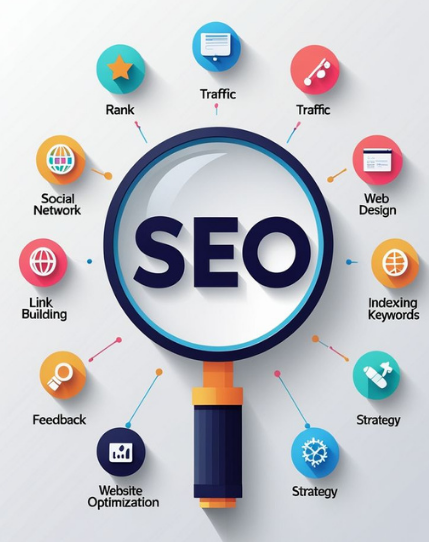
Why SEO Matters for Small Businesses
Imagine a customer nearby searching for “best bakery near me” or “affordable plumber in Chicago.”
If your business doesn’t appear in those results, you’re missing out on easy sales.
SEO (Search Engine Optimization) helps your website:
- Appear on Google when potential customers are searching
- Build trust and authority
- Attract local traffic without paid ads
- Increase sales through organic visibility
Even on a tight budget, smart SEO can give you long-term results that paid ads simply can’t match.
1. Start with Local SEO Basics
If you’re a local business, local SEO is your golden ticket.
Here’s what to do:
- Claim and optimize your Google Business Profile (GBP):
Add your address, phone number, website, business hours, and photos.
Encourage happy customers to leave reviews — they influence both rankings and trust. - Use local keywords:
For example, instead of “flower shop,” target “flower shop in Austin” or “best Austin florist.” - List your business in online directories like Yelp, Bing Places, and local chamber of commerce websites.
Make sure your NAP (Name, Address, Phone) is consistent everywhere.
2. Optimize Your Website for Search
A good website doesn’t need to be fancy — it just needs to be fast, mobile-friendly, and clear.
Key steps:
- Improve site speed: Use tools like Google PageSpeed Insights or GTmetrix to find issues.
- Make it mobile-friendly: Over 60% of searches come from phones.
- Use clear titles and meta descriptions: Each page should describe what it’s about.
- Add internal links: Link from one page to another within your site to help Google understand your structure.
- Use keywords naturally: Don’t overdo it — focus on readability first.
Example:
If you run a bakery, your homepage title could be “Freshly Baked Cakes and Pastries in Austin | Sweet Treats Bakery.”
3. Create Helpful, Local Content
Search engines love fresh, relevant content — and so do your customers.
Content ideas for small businesses:
- Blog posts about local topics (e.g., “Top 5 Wedding Cake Trends in Austin”)
- Guides that solve problems (“How to Choose the Right Electrician for Your Home”)
- FAQs that answer customer questions
- Customer stories or testimonials
Focus on value and helpfulness. Each article should educate, not just sell.
4. Leverage Free SEO Tools
You don’t need expensive SEO software to succeed.
Here are free tools that do the job perfectly:
- Google Search Console: Track your keywords and fix issues.
- Google Analytics: Understand visitor behavior.
- Ubersuggest / AnswerThePublic: Find keyword ideas.
- Canva: Design visuals for blog and social posts.
- Yoast SEO (WordPress): Optimize on-page elements easily.
5. Build Backlinks the Smart Way
Backlinks (links from other sites to yours) are like votes of confidence for Google.
Here’s how to earn them organically:
- Partner with local blogs or influencers.
- Sponsor community events or charities (they often link back to your site).
- Write guest posts for other small business blogs.
- Share your expertise on LinkedIn or local forums.
Even a few high-quality backlinks can boost your authority.
6. Focus on Reviews and Reputation
Positive online reviews aren’t just social proof — they’re SEO gold.
Encourage satisfied customers to leave a review on:
- Google Business Profile
- Yelp
Always respond (politely) to both positive and negative reviews. It shows Google — and customers — that you care.
7. Be Consistent and Patient
SEO isn’t instant. It takes a few months to see steady growth, but the results last.
Stay consistent:
- Publish content regularly
- Monitor rankings
- Keep improving your site
Remember, SEO is a marathon, not a sprint. Even small efforts add up over time.
FAQs About SEO for Small Businesses
Q1. How long does it take for small businesses to see SEO results?
Usually, you’ll start seeing noticeable improvements in 3–6 months, depending on your competition and consistency.
Q2. What’s the cheapest way to improve SEO?
Focus on local SEO, content creation, and Google Business Profile optimization — all free but highly effective.
Q3. Do I need to hire an SEO agency?
Not necessarily. Many small businesses see great results by learning the basics and using free tools.
Q4. How can I track my SEO performance?
Use Google Analytics and Google Search Console to monitor traffic, keywords, and site health.
Q5. What are common SEO mistakes small businesses make?
Ignoring local SEO, neglecting reviews, keyword stuffing, and having slow, non-mobile-friendly websites.
Final Thoughts
You don’t need deep pockets to get found online — just smart, consistent actions.
Start small, stay focused, and use free or low-cost tools to grow.
If you implement even a few of these tips, your business will gradually rank higher, attract local customers, and stand out in your area.
Ready to Grow Your Small Business Online?
Take the first step today.
Optimize your Google Business Profile, update your website, and start creating helpful local content.